Does Mounjaro Cause Hair Loss? What You Should Know



If you’ve started Mounjaro (tirzepatide) and noticed more hair shedding than usual, you’re not alone. While hair loss isn’t a recognized side effect of Mounjaro, rapid weight loss from any cause sometimes triggers temporary hair shedding. This article explores what might be going on and how to support your hair health while losing weight, whether that is through Mounjaro or any other method.
Is Hair Loss a Side Effect of Mounjaro?
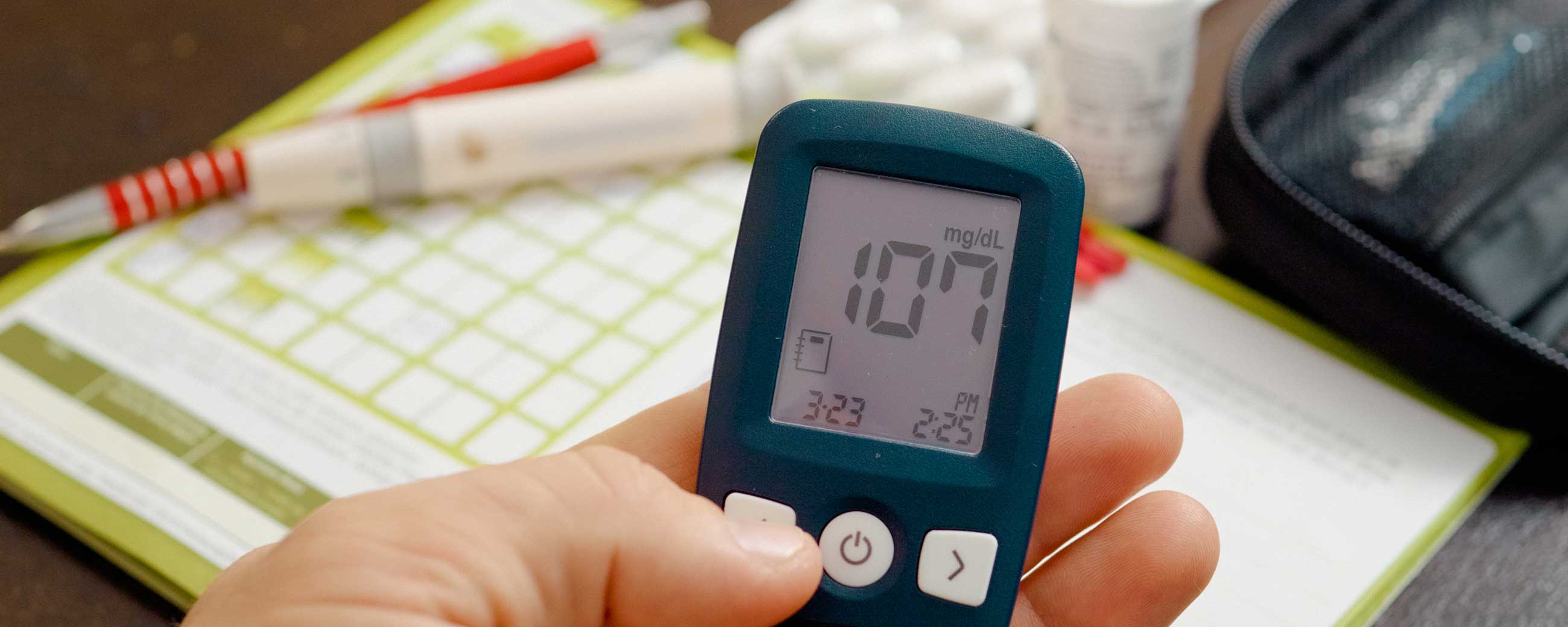
Mounjaro (tirzepatide) is an injectable medication approved to treat type 2 diabetes. It works by helping your body use insulin more effectively and by reducing appetite and slowing digestion. Many people also lose weight while taking it.
The most common side effects of Mounjaro include:
- Diarrhea
- Nausea
- Vomiting
- Stomach pain
- Indigestion
- Decreased appetite
- Constipation
More serious potential side effects can include severe stomach problems and dehydration that can lead to kidney issues.
While the makers of Mounjaro do not list hair loss as a recognized side effect, it is listed as a common adverse side effect on the label for Zepbound, the weight-loss brand name for the same drug, tirzepatide.
Mounjaro and Hair Loss: What Might Be Happening
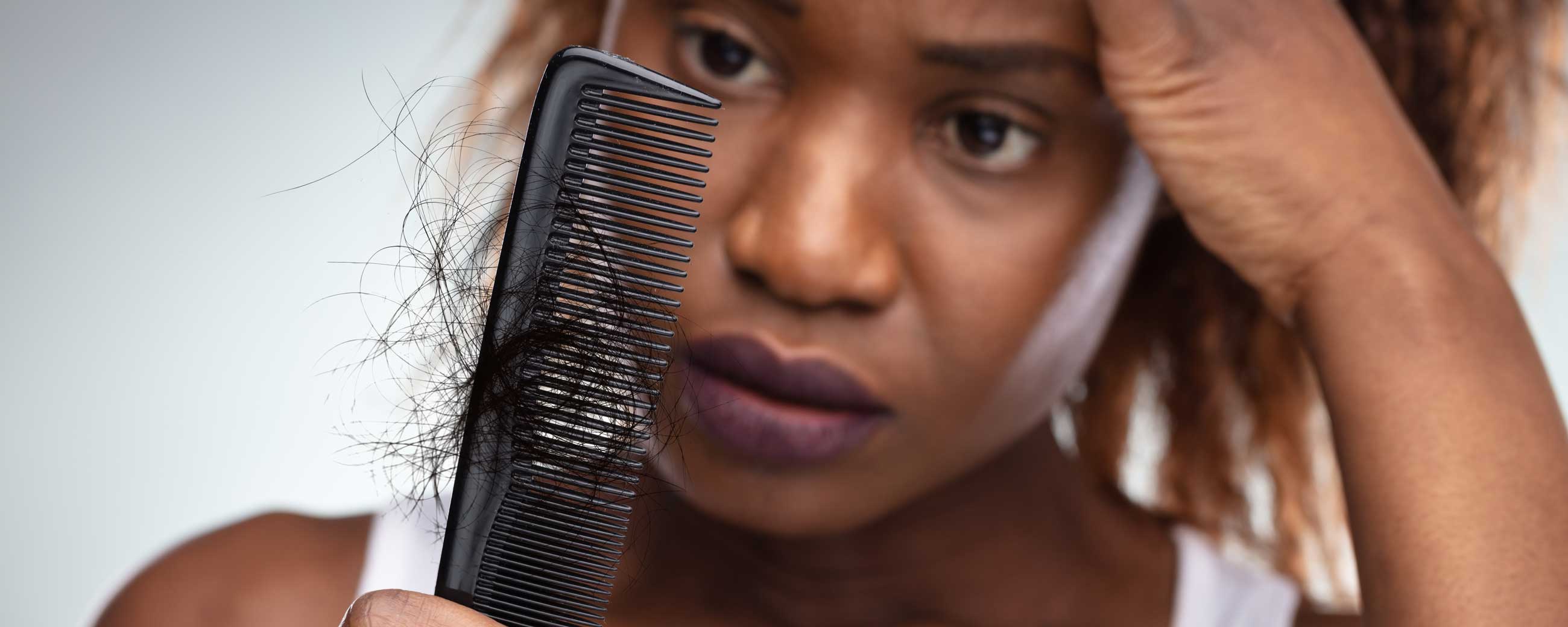
While there aren’t any reputable published studies that suggest that Mounjaro directly causes hair loss, some users anecdotally report hair loss after taking the drug. A likely explanation is telogen effluvium, a type of temporary hair shedding that happens when the body goes through a significant stress or shift, like:
- Rapid weight loss from any cause, such as medication or weight-loss surgery
- Major surgery or illness
- Nutrient deficiencies
- Hormonal changes
When you lose weight quickly, your body may shift into “survival mode,” prioritizing nutrients and other resources for vital organs instead of nonessential processes like hair growth. Rapid changes in calorie intake, protein intake, and vitamin or mineral levels can all disrupt the normal hair growth cycle. You might notice:
- Thinner hair with more areas of the scalp exposed
- A widening part
- A receding hairline
- Large clumps of hair falling out
- More hair in your hairbrush or shower drain
How Long Does Hair Loss Last on Mounjaro?
The good news: Hair loss related to rapid weight loss is usually temporary. Your body may need time to adjust after beginning diabetes or weight-loss medication. Once it’s stabilized, your natural hair growth cycle should return, along with your hair.
How to Prevent or Manage Hair Loss While Taking Mounjaro
To prevent hair loss while on Mounjaro:
- Avoid rapid weight loss. Work with your doctor to find a dose of Mounjaro that helps you lose weight steadily, but not dramatically.
- Eat a nutrient-rich diet. Make sure your hair has the nutrients it needs to grow. Focus on foods high in protein and nutrients, like lean meat, eggs, fish, dairy, beans, tofu, lentils, vegetables, nuts and seeds.
- Stay hydrated. Dehydration is a potential side effect of Mounjaro. Dehydration can also weaken hair follicles, so drink plenty of fluids each day.
- Be gentle with your hair. Avoid tight hairstyles like ponytails that tug at the scalp, minimize heat styling, use gentle products, and don’t aggressively brush your hair when it’s wet.
The Bottom Line: Is Hair Loss from Mounjaro Permanent?
Hair loss while taking Mounjaro is likely temporary as your body adjusts to losing weight rapidly.
Talk to your doctor if you notice or are worried about hair loss while taking Mounjaro. They can help you optimize your dosage, nutrition and lifestyle to promote healthy hair growth.
If you want to live a metabolically healthier lifestyle, Virta Health may be able to help. By making healthy lifestyle changes in a medical setting with supportive resources like 1:1 virtual coaching, you can regain control of your health and feel like yourself again. See if you’re eligible for Virta Health here.
This blog is intended for informational purposes only and is not meant to be a substitute for professional medical advice, diagnosis, or treatment. Always seek the advice of your physician or other qualified health provider with any questions you may have regarding a medical condition or any advice relating to your health. View full disclaimer
Are you living with type 2 diabetes, prediabetes, or unwanted weight?