The Truth About Targeted Weight Loss (and What to Do Instead)



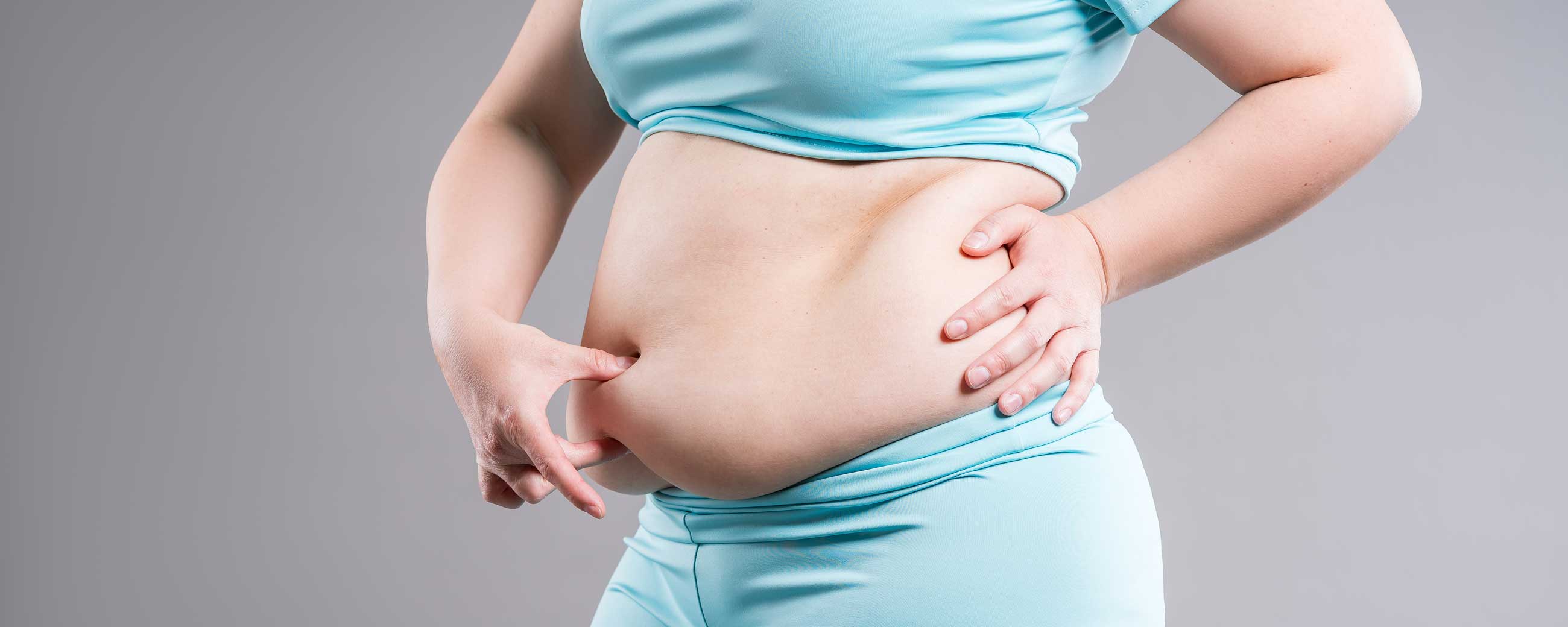
Targeted weight loss is one of the most common questions people have when they start making new health and fitness goals, yet it’s a largely misunderstood topic. Many want to know how to lose face fat, trim their thighs, or flatten their love handles, but the body simply doesn’t burn fat in one specific place just because you want it to. Instead, fat loss happens systemically and is influenced by larger factors like genetics, hormones, diet, and overall body composition. Let’s walk through the most common myths, explore what actually works, and learn why a whole-body approach almost always leads to better long-term results.
The Truth About Targeted Weight Loss
Targeted weight loss is a common idea, but many people misunderstand how it actually works. The truth is that you can’t really choose where your body burns fat. Different areas of your body will change at different speeds based on genetics and overall fat loss, not specific exercises. Understanding this can help set realistic expectations and keep your fitness approach focused on what really works.
The Most Common Targeted Weight Loss Myths (and What’s Actually True)
How to Lose Face Fat
Myth: You can “slim” your face with facial workouts or certain foods.
Truth: Your face changes as you lose overall body fat and reduce inflammation, not from targeting it directly.
How to Lose Thigh Fat
Myth: You can tone away thigh fat with specific exercises.
Truth: Strength training builds lean muscle and can shape your thighs, but fat loss still depends on overall calorie balance.
How to Lose Back Fat
Myth: Doing back exercises burns fat in that area.
Truth: It strengthens and defines your back, but total-body fat reduction comes from consistent nutrition and movement.
How to Lose Neck Fat
Myth: Neck stretches or creams can “tighten” the area.
Truth: Genetics, aging, and body composition play bigger roles. Sustainable changes happen through total fat loss.
How to Lose Love Handles
Myth: Side crunches or twisting moves will burn fat off your waist.
Truth: Love handles are often hormone-sensitive areas: they shrink when your overall body fat decreases.
Why You Might Notice Fat in Certain Areas First
Genetics
Genetics play a significant role in how your body stores and releases fat, influencing whether certain areas will change quickly or stubbornly. Men often hold more fat in the abdomen and love handles, while women tend to store more in the hips and thighs. These natural patterns also affect how easily you can address personal goals like how to lose back fat or how to lose neck fat.
Water retention
Water retention can make certain areas appear puffier–especially the face, neck, and thighs–leading people to believe they’ve gained fat. Factors like sodium, hydration, and sleep can cause daily fluctuations. Reducing bloat often creates a noticeably leaner look even without actual fat loss.
Age
As you age, metabolism slows and your body tends to redistribute fat toward the midsection and back while the face naturally loses volume. This can make areas like love handles or the neck feel more stubborn than before.
Hormones
Hormones can strongly influence fat distribution, especially in typical problem areas like the fat, abdomen, and thighs. Men’s testosterone levels and women’s estrogen levels guide where fat settles and how easily it burns. Imbalances can lead to difficulty in how to lose back fat or how to lose neck fat because those zones can become more resistant.
Diet
Your diet can significantly affect whether your body is in a position to burn fat at all, regardless of where you want it gone. A balanced, low carb or keto approach can help reduce overall body fat, including stubborn areas like the face, thighs, and love handles. Eating whole foods, enough protein, and maintaining steady hydration can also reduce puffiness and improve how these areas look.
How to Lose Face Fat: What Actually Works
1. Focus on overall fat loss
The only effective, nonsurgical way to reliably reduce face fat is by lowering overall body fat, not facial exercises or targeted tricks. As total overall fat decreases, the face naturally becomes leaner.
2. Prioritize strength training and protein
Building and maintaining muscle can boost your metabolism and help your body burn more calories overall. This can support overall fat loss, which is what can ultimately change your profile.
3. Reduce water retention and inflammation
Excess sodium, poor sleep, and dehydration can make your face appear puffy even if your overall body fat hasn’t changed. Improving hydration, cutting excessive salt, and getting quality sleep can make your face look noticeably slimmer.
4. Limit alcohol and ultra-processed foods
Alcohol and certain processed foods can increase inflammation, water retention, and your overall calorie intake. Cutting back can reduce bloating and support steady fat loss that eventually shows in the face.
Why Only Surgery or Medication Can Truly Target Fat in One Area
There simply is no mechanism that tells your body how to lose weight in your face or how to lose thigh fat specifically. Instead, fat loss comes off in a genetically predetermined order. This makes targeted fat burning essentially impossible without medical intervention.
Procedures like liposuction, buccal fat removal (cheeks/face), Kybella (double chin injections), CoolSculpting (killing fat cells by freezing) literally remove or destroy fat cells in a specific area of the body. That’s why they’re the only way to guarantee fat loss in one area without affecting the rest of the body. These treatments don’t rely on metabolism, but instead physically alter the number of fat cells in that zone.
Some medications can influence where fat is lost or gained. For example:
- Semaglutide (Wegovy/Ozempic): Stimulates overall fat loss, but patients often notice disproportionate changes in the face, sometimes referred to as “Ozempic face”.
- Injectable deoxycholic acid: Specifically breaks down fat under the chin.
- Corticosteroids and some hormones can change where fat is stored (face, neck, trunk).
These medications alter fat metabolism or fat-cell behavior, which can create region-specific changes that natural fat loss cannot.
Final Thoughts: Focus on Health, Not Just a Single Area
Focusing on overall health and systemic fat loss is far more effective than trying to shrink one specific area, even if you're wondering how to lose face fat or slim down another stubborn spot. When you improve your overall nutrition, movement, sleep, and stress levels, fat reduction can happen more naturally across your whole body–including the areas that usually take longer to change. This bigger-picture approach not only delivers better long-term results, but can also boost your energy, confidence, and overall well-being. In the end, taking care of your entire body can lead to changes that look better, feel better, and last much longer than any attempt at spot reduction.
If you want to sustainably lose weight or live a metabolically healthier lifestyle, Virta Health may be able to help. By making healthy lifestyle changes in a medical setting with supportive resources like 1:1 virtual coaching, you can regain control of your health and feel like yourself again. See if you’re eligible for Virta Health here.
This blog is intended for informational purposes only and is not meant to be a substitute for professional medical advice, diagnosis, or treatment. Always seek the advice of your physician or other qualified health provider with any questions you may have regarding a medical condition or any advice relating to your health. View full disclaimer
Are you living with type 2 diabetes, prediabetes, or unwanted weight?